
JANUARY 7, 2024
How Accurate is Ancestry DNA Testing?
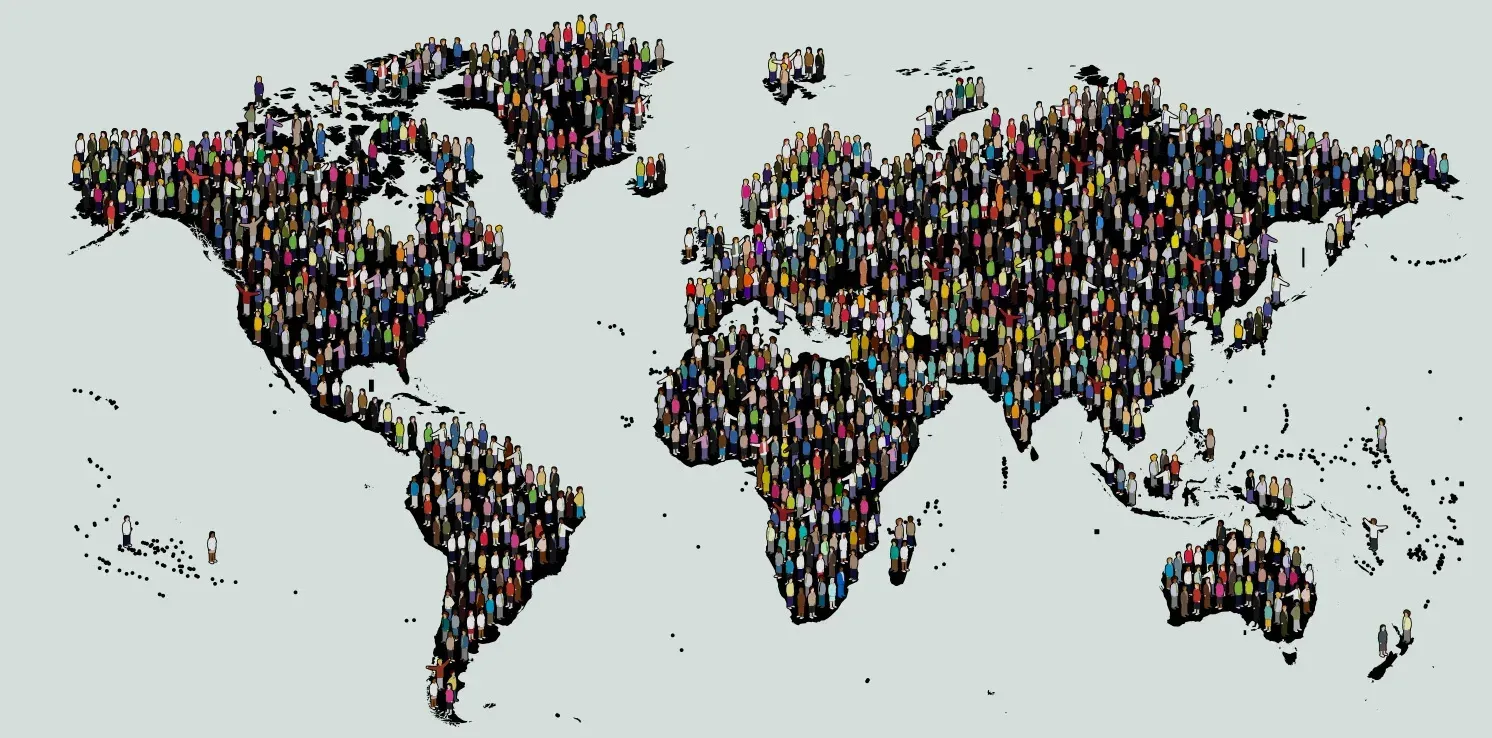
An ancestry report usually arrives as a tidy breakdown of percentages and regions, sometimes with a migration path stretching back thousands of years. It’s natural to wonder how much of it to take at face value. Collecting a sample for an ancestry DNA test is the easy part, usually a painless cheek swab or a bit of saliva mailed back to the lab. What happens to that sample afterward, and how much reference data the lab can compare it against, decides how far you can trust the answer.
So how accurate is ancestry DNA? The science behind it is sound, and results tend to be most reliable at a broad, continental level. They become more of an estimate as they zoom in on specific countries or regions. Let’s talk about why that is.
How Ancestry DNA Testing Works
Ancestry DNA tests work by extracting your DNA from a provided sample and then comparing it to a database of DNA from people of known ancestry. The test looks for specific markers in your DNA that are common in certain populations. By comparing the markers in your DNA to the markers in the database, the test can estimate your ancestry.
The more markers a lab analyzes, and the larger and more diverse its reference database, the more precisely it can estimate where your genes historically came from. If you’re concerned about how accurate ancestry DNA tests are, the honest answer is that each result is a statistical estimate built on reference data, not a documented family record. They work best alongside traditional genealogy research rather than in place of it.
Cheek Swabs Vs. Saliva
You may notice that certain ancestry DNA tests provide cheek swabs for sample collection rather than using saliva. Both saliva and cheek swabs are common methods used to collect DNA for ancestry testing. Both methods are effective at collecting cells from your mouth, which contain the DNA needed for the test. The method used depends on the specific testing company’s procedures and protocols.
DDC’s GPS Origins® Ancestry Test uses a cheek swab. Cheek swabs can be a helpful collection instrument as they:
- Make collecting samples from infants or elderly individuals easier.
- Are usually quicker and more comfortable for the person being tested.
- Reduce the risk of bacterial contamination, if the swab is handled correctly.
Factors That May Affect DNA Test Result Accuracy
The accuracy of your ancestry results hinges on a variety of factors. One important aspect that can play a part in your results is the amount of data the test center has amassed. Different ancestry testing companies utilize different databases for referencing. The more access there is to DNA sequences from individuals sharing your ethnic group and ancestral geographic range, the more precise your results have the potential to be.
Another factor that can affect the accuracy of testing results is the statistical methods that are used to analyze genetic data. Also, your ancestry test accuracy is partially determined by the degree of intermixture in your lineage. Some ethnicities from Africa, East Asia, South America, and South Asia may be hard to trace because DNA testing companies have limited DNA data in their databases to compare with.
How Accurate Is Ancestry DNA Ethnicity Estimation?
Your ethnicity breakdown is the part of an ancestry report people look at first, and it’s also the part most worth reading carefully. Each percentage reflects how closely segments of your DNA match a set of reference populations. It isn’t a record of where any one ancestor was born. Broad categories, like a continent or a large region, tend to hold up well because the genetic differences between those groups are well established.
Neighboring countries are harder to tell apart. Populations that lived side by side for centuries share a lot of DNA, so a report may split your ancestry across several nearby regions or fold it into a broader category. This is also why results can differ from one testing company to another, or shift after a provider updates its reference data. Two labs comparing the same sample against different reference populations can reasonably produce different percentages, and each result reflects the data it was built on.
What are the Benefits of Ancestry DNA Testing?
What makes ancestry DNA testing so special is its simplicity and practicality. You can provide a DNA sample through simple saliva collection or with a cheek swab, send it off, and receive your results swiftly. These tests can unravel fascinating details about your family tree and clarify common misconceptions about your familial traits. In addition, an ancestry DNA test can enrich your life by providing fresh insights into your heritage.
For many people, an ancestry test is a starting point rather than a final answer. A percentage breakdown can point your genealogy research toward a region worth exploring, or add real context to family stories that have been passed down for generations.
3 Common Ancestry DNA Test Misconceptions
With so many different DNA tests available for purchase, it’s important to understand what answers to expect with an ancestry test. Some common misconceptions include:
1. Precise Results
Ancestry DNA tests can only estimate your ancestry. This is because people have migrated throughout history, and their DNA has mixed with the DNA of other people. While tests cannot tell you exactly where your ancestors came from, they are getting more and more precise as databases continue to grow.
2. Health Information
Many people believe that ancestry DNA tests will provide them with personalized health information based on their DNA. Ancestry tests are not designed to tell you about your health. They are designed to tell you about your ancestry. However, some ancestry DNA tests do offer health-related information based on your genetic makeup, but this is not a substitute for medical advice.
3. Personality Traits
While certain personality traits can be linked to specific genetic markers, the likelihood that your ancestry DNA test highlights that information is slim.
What is the Most Accurate DNA Test for Ancestry?
No single test is the most accurate for everyone, since a lot depends on how well a lab’s reference data represents your particular heritage. A few things are worth comparing before you order:
- How many genetic markers the test analyzes, since more markers give the lab more data points to compare
- How many reference populations and gene pools your DNA is measured against, including regions outside Europe
- Whether the testing happens in-house at an accredited laboratory
- What happens to your DNA afterward, including whether the company shares genetic data with third parties
Frequently Asked Questions
Why can siblings get different ancestry DNA results?
Full siblings each inherit about half of their DNA from each parent, but not the same half. Each child gets a different random mix, so two siblings can show different ethnicity percentages even with identical family trees. Only identical twins share virtually the same DNA. If the real question is whether two people are full or half-siblings, an ancestry test can’t answer it. A sibling DNA test compares the siblings’ DNA directly.
Can an ancestry DNA test prove Native American heritage?
No. An ethnicity estimate can’t establish tribal membership. Each tribe sets its own enrollment requirements, and they’re based on documented descent from an enrolled member rather than a percentage on an ancestry report. DDC’s Native American DNA test is a relationship test, not an ancestry test. It provides evidence of a biological relationship between an applicant and an existing tribe member, such as a parent, grandparent or sibling, and doesn’t provide ethnic percentages.
Can an ancestry DNA test confirm paternity?
No. An ancestry test compares your DNA to large reference populations, not to a specific person, so it can’t confirm that two people are biologically related. Paternity and other relationship tests compare the DNA of the people involved directly. A home paternity test works for personal peace of mind. Child support, custody and other legal matters need a legal paternity test, with samples collected at an approved location and every participant’s identity verified.
Learn More About Your DNA
If you want more than a basic ethnicity breakdown, DDC’s GPS Origins® Ancestry Test analyzes more than 80,000 autosomal genetic markers and compares them against 1,000+ reference populations and 41 gene pools. Your report breaks your DNA into origin percentages and maps your maternal and paternal migration paths, in some cases down to a specific town or city. Collection takes a simple cheek swab, and results arrive within six weeks by email or through an online portal.
Your sample is tested at DDC’s own accredited laboratory and never sent to third parties. DDC has been in DNA testing since 1995, and customers have trusted the company with more than 20 million DNA tests. For a simpler look at your roots, the HomeDNA™ Starter Ancestry Test shows which present-day populations your DNA most resembles.
About DNA Diagnostics Center (DDC)
DNA Diagnostic Center is the world leader in paternity and relationship testing. We serve healthcare professionals, government agencies, and individuals around the world to determine family relationships with trusted accuracy.
More Questions? Don’t hesitate to call us: we’re here to help!
CALL NOWRelated Posts
Proving Common Ancestral Lineage With DNA Testing
DNA testing can be used to prove ancestral lineage and find common blood line lines with other persons in your…

Are All Humans Related? A Deep Dive into Our DNA
Are all humans related? Learn about the different ways genealogists can use DNA analysis to answer questions like this and…

What Does Your Blood Type Say About Your Heritage?
What does your blood type say about your heritage? Learn about the different types, genetic determinants, surprising facts, and more.