JULY 13, 2020
AABB DNA Testing: Why it Matters
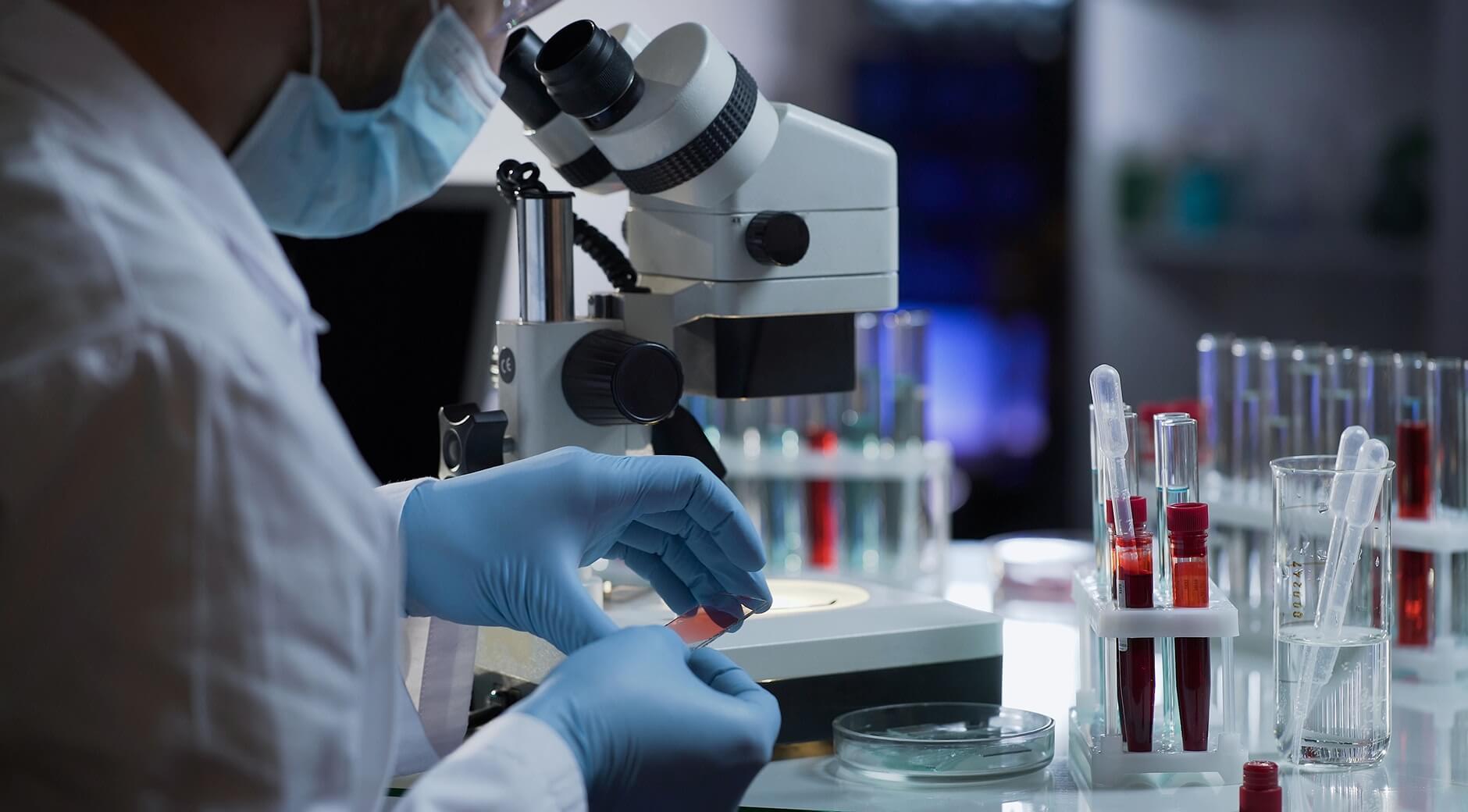
When results need to hold up in court or satisfy a government requirement, the lab you choose matters as much as the test itself. AABB DNA testing is the globally recognized standard for relationship testing, and it’s the benchmark that courts, immigration agencies, and embassies around the world rely on. Without it, results can be rejected before they’re even reviewed.
There is no federal agency in the United States that directly regulates family relationship DNA testing. The AABB fills that role by setting rigorous quality standards and auditing labs that want to maintain accreditation. That independent oversight is what gives AABB accreditation its weight.
CALL FOR A FREE CONSULTATIONWhat AABB Stands For
AABB was originally founded in 1947. When DNA testing was invented in 1984, it quickly became the most reliable method for determining biological relationships, and the American Association of Blood Banks’ DNA testing accreditation became one of the organization’s most critical functions as legal and immigration demand for verified results grew.
The organization is now formally called the Association for the Advancement of Blood and Biotherapies, though it still goes by AABB, and its role as the primary accrediting body for relationship DNA testing hasn’t changed.
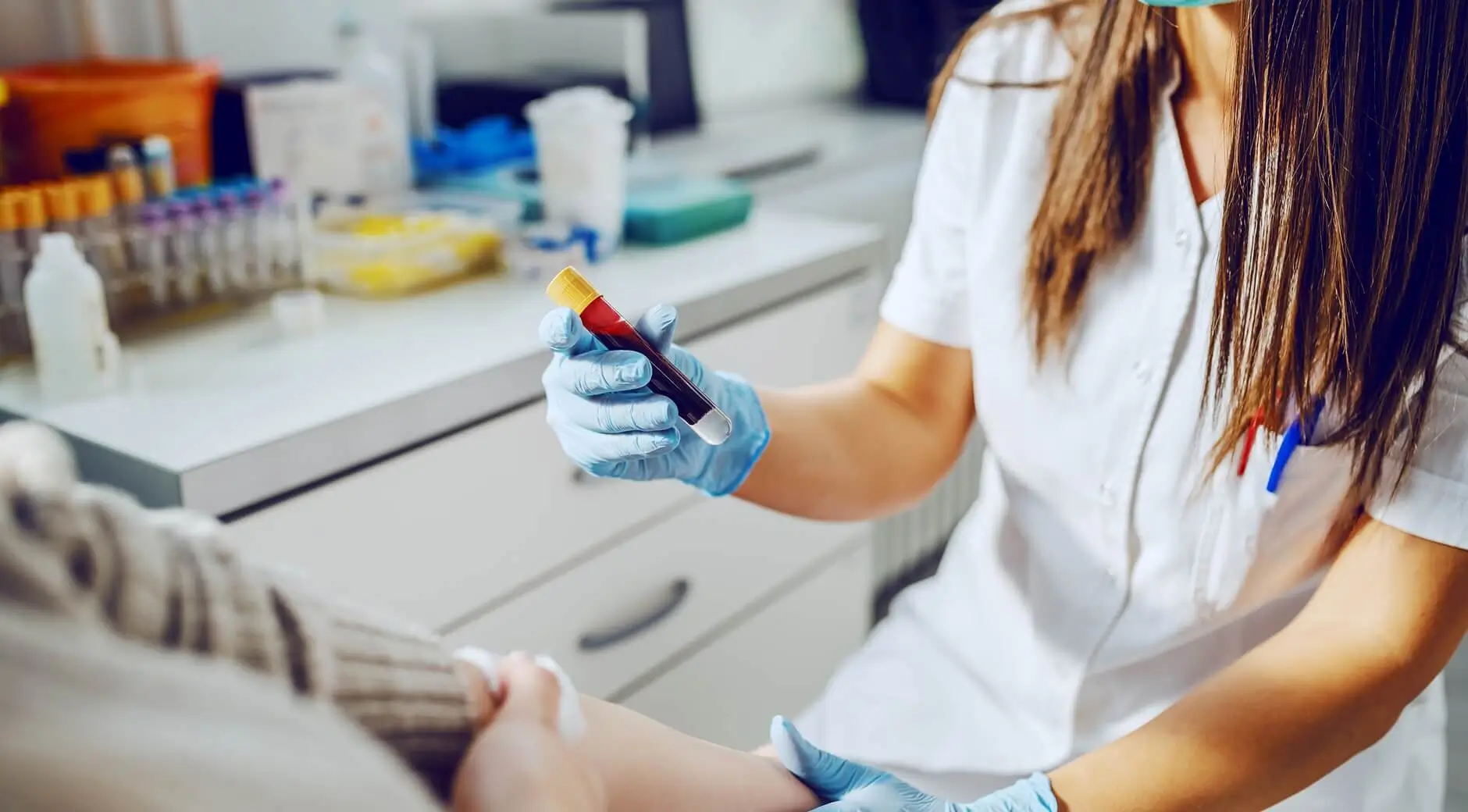
AABB accreditation requires labs to follow validated procedures, maintain a documented chain of custody for every sample, employ qualified scientists, and keep testing equipment current. Labs must demonstrate ongoing compliance to maintain accreditation, which means the status reflects a sustained commitment to quality rather than a one-time achievement.
When AABB Accreditation Is Required
In the United States, AABB accreditation for relationship testing is technically voluntary. In practice, it becomes mandatory any time results need to be recognized by a court or government agency. Common situations where AABB accreditation is required include:
- Immigration proceedings (visa, passport, and citizenship cases through USCIS, U.S. embassies, and passport agencies)
- Child support determinations where a court has ordered DNA testing
- Custody cases requiring legally admissible proof of biological relationship
- Inheritance and estate claims, where a biological relationship must be established for legal purposes
- Court-ordered paternity testing in any state that mandates accredited results
For immigration cases, there’s an important detail many people miss: the test must be initiated directly with an AABB-accredited facility. Going through a third-party company that claims to use an AABB lab for processing does not satisfy this requirement, and results submitted that way will be rejected by USCIS.
AABB-Accredited Laboratories
The official list of AABB-accredited laboratories is published and maintained by AABB.org. The list is intentionally short, reflecting just how demanding the accreditation requirements are, and it's updated regularly as labs gain or lose accreditation status.
DNA Diagnostics Center (DDC) has held AABB accreditation continuously since 1996 and has received multiple perfect inspection ratings over that time. DDC is also certified to international standards via ANAB ISO/IEC 17025, placing it among the most thoroughly accredited testing labs in the world.
Can You Trust a Lab That Isn’t AABB-Accredited?
For personal peace of mind, an unaccredited lab can still deliver a result. But if your results need to hold up in court, support an immigration petition, or satisfy any government requirement, only AABB DNA testing meets the standard.
Unaccredited labs can look credible. They may advertise fast turnaround, high accuracy, and competitive prices. Accuracy alone, however, doesn’t make results legally defensible. Chain of custody, identity verification at sample collection, qualified lab staff, and documented quality systems are all part of what AABB accreditation ensures, and none of that can be assumed or substituted.
DDC processes more than 1 million DNA samples per year and has performed over 20 million tests since 1995. When results have to count, there’s no safer choice.
Get Accredited DNA Testing Results From DDC
DNA Diagnostics has over 3,500 collection locations across the U.S. and 5,000 worldwide in 160+ countries. Whether you need results for immigration, a legal proceeding, or personal clarity, our specialists will walk you through every step. Call 1.800.681.7162 for a free consultation, or find DNA testing near you.
Frequently Asked Questions
Can I set up my immigration DNA test through a third-party website if they say they use an AABB-accredited lab?
No. USCIS requires that immigration DNA test cases be initiated directly between the petitioner and an AABB-accredited facility. If the case is set up through an intermediary that’s not itself on the AABB list, the results will not be accepted, regardless of which lab actually runs the test. You must contact an accredited facility directly to open your case.
What happens if my DNA test was already rejected because the lab wasn’t accredited?
You’ll need to start a new test from scratch with an AABB-accredited lab. Results from non-accredited facilities cannot be resubmitted or supplemented after the fact. DDC can help you initiate a new, fully accredited test and quickly get your case back on track.
Does DDC send immigration DNA results directly to USCIS, or do I need to submit them myself?
DDC sends the chain-of-custody results report directly to the appropriate USCIS office once testing is complete. The petitioner in the U.S. also receives a hard copy of the report. You don’t need to handle, forward, or submit the results on your own.
Does AABB accreditation apply to at-home DNA test kits?
No. At-home kits are not collected under chain-of-custody conditions with verified identity documentation, so they cannot be used for legal or immigration purposes, regardless of which lab processes the sample. If you only need results for personal peace of mind, DDC’s at-home kit works for that. If your results need to hold up in court or satisfy an immigration requirement, DDC also offers legally admissible tests collected at certified locations with full chain-of-custody documentation. These are two different products, and choosing the right one matters.
Related Posts

How Much Does Prenatal Paternity DNA Testing Cost?
Considering a noninvasive prenatal paternity (NIPP) test? Learn more about how NIPP testing works and how much you can expect…

How is Genetic Testing Done?
How is genetic testing done? Learn about the different types of genetic testing, how genetic testing is done, acceptable DNA…

Assessing Accuracy: How Often Are DNA Tests Wrong?
How often are DNA tests wrong? Learn about the different types of DNA tests, factors that contribute to errors, and…