
MARCH 27, 2018
Do Fraternal Twins Have the Same DNA?
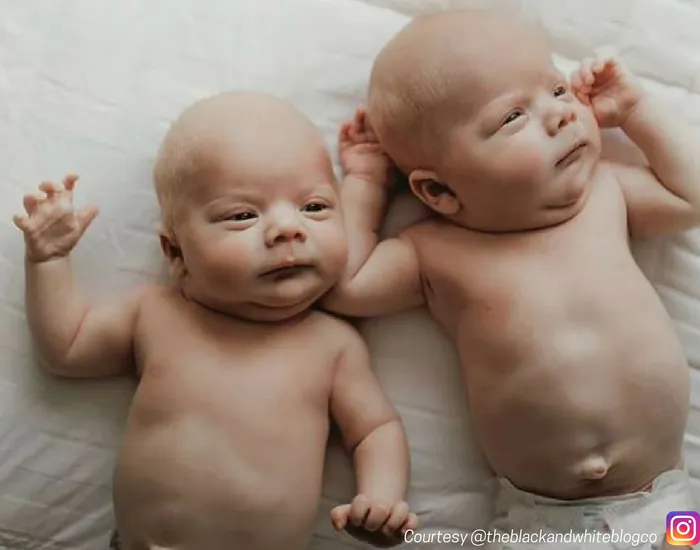
Every parent of twins hears the same question, usually before they’ve made it halfway down the grocery aisle: are they identical? Sometimes the answer seems obvious, like when one twin is a boy and the other is a girl. Other times, even parents and doctors aren’t completely sure, and a lot of that uncertainty comes down to genetics. Do fraternal twins have the same DNA? No. Fraternal twins share about half of their DNA, the same as any other brothers and sisters. Here’s why, and how DNA testing can settle the identical-or-fraternal question for good.
How Fraternal Twins Form
Fraternal twins, also called dizygotic twins, develop when two separate eggs are released in the same cycle and each one is fertilized by a different sperm. The result is two genetically distinct babies who happen to share a womb and a birthday. Each twin implants separately and typically develops with its own placenta and amniotic sac.
Because they come from two different eggs and two different sperm, fraternal twins can be two boys, two girls, or a boy and a girl. Identical twins come from a single fertilized egg that splits in two. For a closer look at how that split happens, see our guide to whether identical twins have the same DNA.
How Much DNA Do Fraternal Twins Share?
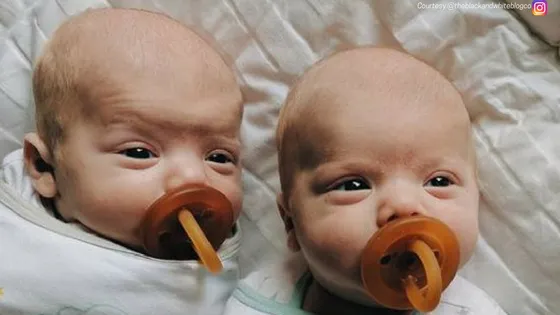
Fraternal twins share, on average, about 50 percent of their DNA, just like full siblings born years apart. Each twin inherits half of their DNA from each parent, but which half is a random draw every time. One twin might inherit a parent’s curly hair and brown eyes, while the other ends up with straighter hair and lighter eyes.
That randomness is why fraternal twins can look strikingly different. It’s also why some same-sex fraternal twins look so much alike that people assume they’re identical. Appearance alone can’t settle the question either way.
Why Twins Are Sometimes Misclassified at Birth
Doctors usually classify twins at birth based on physical observations and the placentas, but those methods aren’t always accurate. For years, the assumption was that twins with separate placentas and separate amniotic sacs had to be fraternal. That isn’t always true. When an identical twin embryo splits very early, each twin can develop its own placenta and sac, exactly the way fraternal twins do. Twins of different sexes are fraternal, but for same-sex twins, a DNA test is the only way to know for certain.
One Family’s Story
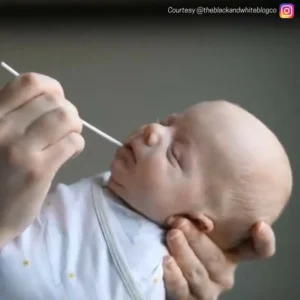
When twin boys Argon and Aldridge were born, each had his own amniotic and chorionic sac, a setup doctors call dichorionic diamniotic, or Di/Di. Most Di/Di twins are fraternal, but not all of them, so their parents chose a twin zygosity test from DDC to find out. Their mother explained that the answer didn’t change anything for the family. She was curious, though, and figured the boys would want to know someday, too. That’s one of the most common reasons parents test: it gives their twins an answer they can carry with them for life.
How Twin Zygosity Testing Works
A twin zygosity test compares the genetic markers of each twin. If their genetic profiles match, the twins are identical. If they don’t, the twins are fraternal. The test works for twins of any age, from newborns to adults.
- At-home test: A kit arrives in discreet packaging with cheek swabs and a prepaid return mailer. Results are for personal knowledge only and can’t be used for legal purposes.
- Legal test: Each twin’s sample is collected at an approved collection site, where the collector verifies everyone’s identity, so the results are court-admissible.
The lab process is the same either way. At DDC, every test that uses cheek swab samples is run twice by independent teams, and results are reviewed by an in-house team of PhDs. They’re typically ready in 2 business days once all samples arrive at the lab.
A Few More Twin Facts
Twins have a way of turning up surprising genetics trivia. A few favorites:
- About 3 in every 100 births in the U.S. are twins, according to the CDC.
- The tendency to have fraternal twins can run in families on the mother’s side, since it’s tied to releasing more than one egg in a cycle. Identical twinning generally doesn’t run in families.
- The children of identical twins are cousins on paper, but genetically they’re as closely related as half-siblings.
- If a pair of identical twins has children with another pair of identical twins, those cousins are genetically as closely related as full siblings.
Frequently Asked Questions
Can fraternal twins have different fathers?
Yes, though it’s rare. The condition is called heteropaternal superfecundation, and it happens when two eggs released in the same cycle are fertilized by sperm from two different men within a short window. Because the twins develop from separate eggs, each one can have a different biological father. DNA testing is the only way to confirm it, by running a paternity test that compares each twin with the possible father.
Can a DNA test tell fraternal twins apart from regular siblings?
No. Genetically, fraternal twins are full siblings who happened to be born at the same time, so their DNA looks the same as any other brother and sister. A sibling DNA test can show whether two people are full or half-siblings, but it can’t show whether they were born together.
Can fraternal twins look identical?
They can, especially same-sex fraternal twins and especially when they’re babies. It also works the other way: identical twins can grow to look less alike over time as environment and life experiences shape their appearance. Because looks can mislead in both directions, a twin zygosity DNA test is the only reliable way to know which type of twins you have.
Get a Clear Answer With a Twin DNA Test
DDC’s Twin Zygosity DNA Test confirms whether twins are identical or fraternal, whether they’re newborns or adults. The test is processed in DDC’s US-based laboratory, which holds AABB, CAP and CLIA accreditations. Your genetic information is never shared with or sold to outside parties. A DNA specialist can help you choose between an at-home test for peace of mind and a legal test for court-admissible results during a free consultation.
CALL NOWAbout DNA Diagnostics Center (DDC)
DNA Diagnostic Center is the world leader in paternity and relationship testing. We serve healthcare professionals, government agencies, and individuals around the world to determine family relationships with trusted accuracy.
More Questions? Don’t hesitate to call us: we’re here to help!
CALL NOWRelated Posts

Paternal vs. Maternal: The Basics of Biological Relationships
Do you understand paternal vs. maternal relationships? Learn about these two types of relationships, paternity vs. maternity testing, and more!

Updated Canada Immigration Test Requirements in 2024
Do you know what the Canada immigration test requirements are? Learn about family sponsorship and immigration DNA testing, and more.
Do Nails Have DNA: How Does a Nail DNA Test Work?
Do nails have DNA? Learn about the process of DNA fingernail testing, the common uses, advantages and drawbacks, and more.